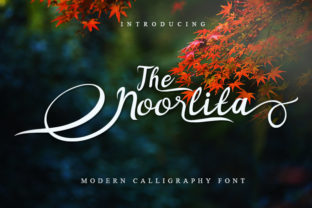
Noorlita: A Script for Luxurious Design
In a world saturated with visual noise, finding a typeface that communicates both elegance and personality is a significant advantage. Noorlita is a beautiful script that answers this need perfectly. It features decorative characters with an inherent luxurious feel, making it a powerful tool for designers seeking to add a touch of sophistication to their work. This font isn't just lettering; it's a statement piece for creative projects.
The Role of Noorlita in Modern Graphic Design
Typography is the voice of design. The right font choice sets the tone, establishes hierarchy, and guides the viewer's emotional response. Noorlita, with its flowing curves and ornamental details, excels in creating a specific mood. It speaks of tradition, craftsmanship, and premium quality. This makes it invaluable for visual communication where first impressions are paramount. In graphic design, such a typeface can transform a simple layout into an engaging visual narrative.
Strengthening Brand Identity with Elegant Typography
A consistent and well-chosen typeface is a cornerstone of a strong brand identity. Integrating a script like Noorlita into a branding system can elevate a company's perceived value. It is particularly effective for businesses in luxury goods, boutique services, hospitality, and high-end retail. When used for a logo design or key brand messaging, it immediately signals a commitment to quality and attention to detail. This helps in building a memorable and distinct brand personality that resonates with a target audience.
Practical Applications for Creative Assets
The versatility of a decorative script extends across numerous design applications. Its primary strength lies in contexts where a personal, artistic, or upscale tone is desired. Consider its use in the following areas to enhance your design workflow:
- Marketing and Print Design: Noorlita is perfect for greeting cards, wedding invitations, and event stationery. It adds a personal, handwritten charm that digital fonts often lack.
- Digital and Social Media Graphics: Use it for impactful quotes, header text on websites, or stylized captions in social media content to capture attention and improve engagement.
- Editorial and Packaging Design: In magazine layouts or product packaging, it can be used for titles, pull quotes, or special edition labeling to create a focal point and convey exclusivity.
- Branding Materials: From business cards to letterheads, applying Noorlita to key elements ensures your stationery feels polished and professional.
- Advertising and Presentations: A slide deck or ad campaign gains a creative edge when key headlines or taglines are set in a distinctive script, aiding in visual hierarchy and audience recall.
Tips for Effective Implementation
While a font like Noorlita is visually striking, its effectiveness depends on thoughtful application. Here are practical recommendations for designers and creators:
- Prioritize Readability: Decorative scripts are best suited for headlines, short phrases, and logos, not for body text. Ensure your chosen text is legible at its intended size, especially in digital and UI design contexts.
- Maintain Visual Hierarchy: Use Noorlita as an accent. Pair it with a clean, neutral sans-serif or serif font for body copy. This contrast creates a balanced and professional presentation, preventing the design from becoming overwhelming.
- Consider the Context: Align the font's luxurious feel with your project's goals and audience. It works beautifully for a boutique bakery's logo but may not suit a tech startup's primary branding. Understanding audience expectations is key.
- Test Scalability: Check how the font renders across different sizes and mediums, from a small business card to a large poster. This ensures consistency in your brand's visual communication.
Ultimately, the choice of typography is a fundamental design decision that influences aesthetics, communication, and user experience. Assets like Noorlita provide designers with the means to inject personality and sophistication into their work. By selecting and using such creative resources judiciously, you can elevate a project from merely functional to truly memorable, ensuring your visual message is not only seen but felt.