Arti Sejati: Elevating Designs with Expressive Typography
In the crowded landscape of digital and print design, the right typeface can be the silent ambassador of your brand's voice. A single font choice can convey luxury, playfulness, tradition, or innovation before a single word is read. This is where a resource like the Arti Sejati font finds its purpose, offering designers a tool that combines bold expressiveness with elegant sophistication to create immediate visual impact.
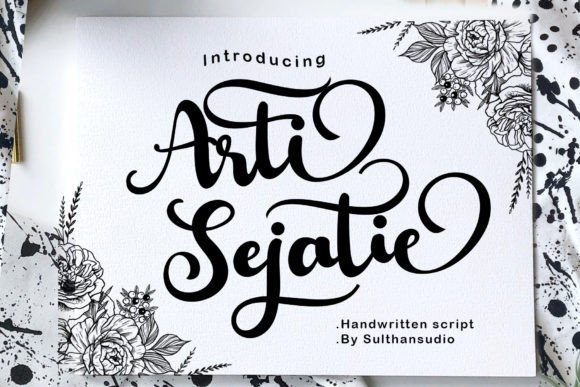
More than just a collection of letters, typography is a fundamental pillar of visual communication. The selection of a typeface influences readability, sets the emotional tone, and establishes a visual hierarchy that guides the viewer's eye. A bold script font like Arti Sejati, with its confident strokes and flowing character, serves a specific role: to inject personality and a handcrafted feel into projects where a generic sans-serif or serif might fall short. It’s a strategic asset for creating memorable brand identity and enhancing user engagement.
Practical Applications for a Bold Script Font
The versatility of a well-designed script font allows it to move across various design disciplines. Its strength lies in applications where a personal touch or a sense of occasion is required. Consider integrating a font like Arti Sejati into the following creative projects:
- Branding and Logo Design: It can form the centerpiece of a logotype for boutique businesses, lifestyle brands, or personal creators, instantly conveying a sense of elegance and care.
- Marketing Materials: Use it for headlines on flyers, posters, or digital ads to grab attention. Its bold nature ensures visibility even at smaller sizes in some contexts, though readability testing is key.
- Social Media Content: Create striking graphics for announcements, quotes, or promotional posts that need to stop the scroll. It pairs well with clean, simple layouts for maximum effect.
- Wedding and Event Stationery: From invitations to thank-you cards, its sophisticated strokes add a romantic and premium feel to print design.
- Packaging Design: Ideal for product labels, gift tags, or boxes where the goal is to communicate artisanal quality or luxury.
- Editorial and Web Design: Use it sparingly for pull quotes, chapter titles, or section headers to break up text-heavy layouts and add visual interest.
Integrating Typography into Your Design Workflow
Successfully employing a distinctive font like Arti Sejati requires more than just installation. It demands thoughtful integration into your broader design system. Here are key considerations for any designer or creator:
- Readability vs. Style: The primary goal is always clear communication. Use expressive scripts for short, impactful phrases or titles, not for body text. Always test the font at the intended size and medium to ensure legibility.
- Visual Hierarchy: A bold script naturally commands attention. Use it to establish the most important message in your composition, pairing it with more neutral, highly readable fonts for secondary information to create a balanced hierarchy.
- Audience and Context: Consider who will see the design. A flowing script might resonate perfectly with a wedding audience but could feel out of place in a corporate financial report. Align your typography with audience expectations and design goals.
- Compatibility and Contrast: Pairing fonts is an art. Combine Arti Sejati with a clean geometric sans-serif or a classic serif for contrast. Ensure the overall color palette and composition support the font's character without creating visual chaos.
Ultimately, the tools you choose define the quality of your output. Investing in high-quality creative assets, whether fonts, graphics, or templates, is an investment in your professional presentation and design efficiency. A resource like Arti Sejati offers more than aesthetic appeal; it provides a means to articulate a specific brand voice, connect with an audience on an emotional level, and elevate a project from ordinary to exceptional. In the realm of design, where every detail contributes to the whole, such thoughtful choices are what build enduring and effective visual communication.