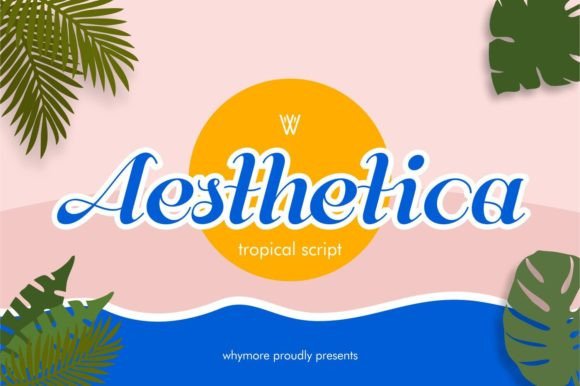
Aesthetica: The Power of Thoughtful Visual Design
In the realm of modern graphic design, Aesthetica isn't just a concept—it's the deliberate practice of crafting visual harmony that communicates, captivates, and converts. It’s the difference between a layout that merely exists and one that resonates, between a brand that’s seen and one that’s remembered. For designers, marketers, and creators, understanding and applying strong aesthetic principles is fundamental to building effective visual communication, strengthening brand identity, and elevating any creative project from good to exceptional.
At its core, Aesthetica involves the intentional selection and combination of visual elements—typography, color, composition, and imagery—to create a cohesive and impactful experience. This approach is crucial across all design disciplines, from establishing a memorable brand identity to ensuring a seamless user interface (UI) or a compelling social media graphic. The goal is to create designs that are not only visually appealing but also strategically aligned with communication objectives and audience expectations.
Practical Applications of Strong Aesthetics
Implementing a refined aesthetic transforms the effectiveness of design assets across numerous applications. Consider how these principles apply directly to common creative projects:
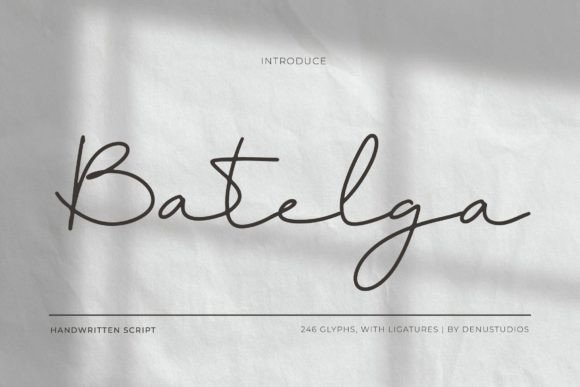
- Branding and Logo Design: A cohesive aesthetic ensures your logo and brand system work together to tell a consistent story. This includes the careful pairing of a script embroidery font with clean sans-serifs, and the selection of a color palette that evokes the right emotion, whether it's the tropical, flexible feel of a boho font or the structured elegance of a modern serif.
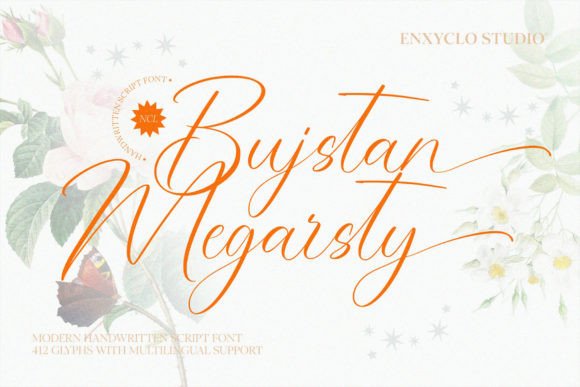
- Marketing Materials & Advertising: From travel brochures to digital ads, strong aesthetics guide the viewer's eye, create visual hierarchy, and make your message more persuasive. A fancy font can add a touch of luxury to a pamphlet, while a modern calligraphy style can inject personality into a social media campaign.
- Website and UI/UX Design: Here, aesthetics directly impact user experience. Thoughtful typography choices, such as using a highly legible signature font for headers or an elegant script for accents, contribute to both visual appeal and functional clarity. The right aesthetic makes interfaces intuitive and enjoyable to use.
- Packaging and Editorial Design: In packaging, aesthetics influence purchasing decisions on the shelf. For editorial layouts, like magazines or lookbooks, the integration of a modern handwritten script font can break up text-heavy pages and add a human, artisanal touch.
Evaluating and Selecting Design Elements
Building a strong aesthetic requires a methodical approach to selecting your creative assets. Here are key factors to consider:
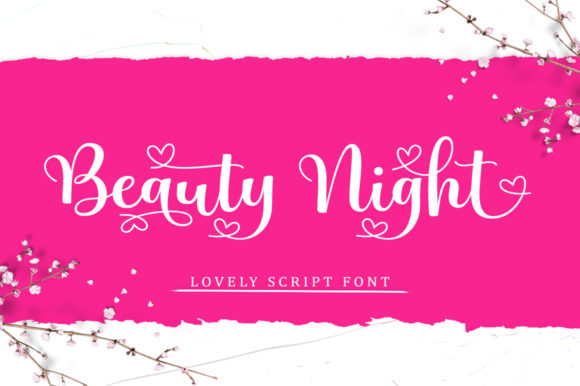
- Purpose and Audience: Is your design for a wedding invitation, a corporate presentation, or a social media poster? A wedding font with elegant flourishes suits one context, while a clean, professional typeface suits another. Always start with the "who" and "why."
- Consistency and Scalability: Choose assets that maintain their integrity across different sizes and mediums. A tropical font should remain readable whether it's on a large poster or a small mobile screen. Ensure all elements work within your existing brand system for long-term consistency.
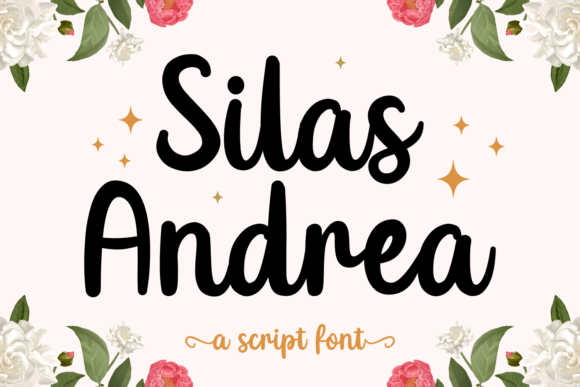
- Visual Hierarchy and Readability: A beautiful procreate font is useless if it sacrifices legibility. Use weight, size, and spacing to create a clear hierarchy that guides the reader naturally from headline to body text.
- Compatibility and Versatility: Select fonts and graphics that are flexible. A cricut font SVG file, for example, offers versatility for both digital projects and physical merchandise like decals or apparel, ensuring your aesthetic translates seamlessly across formats.
The city of Valencia, with its blend of historical centrality and vibrant, tropical energy, offers a powerful metaphor for design. It inspires a desire to create work that is both grounded and dynamic—much like a Valencia font that can serve as a centralizing trend in typography. This philosophy underscores a vital lesson: the most effective designs are those where every element, from the curve of a letterform to the saturation of a hue, is chosen with intention.
Ultimately, investing in quality creative assets and applying a considered aesthetic is not an indulgence—it's a strategic necessity. It enhances communication, builds brand equity, and creates more engaging, professional, and memorable experiences for your audience. Whether you're crafting a logo, designing a presentation, or building a website, let thoughtful aesthetics be the foundation of your creative workflow. The result will be designs that don't just look good, but work brilliantly.